Stillness in a Restless World: The Sacred Art of Ritual
 Azra ZKOctober 25, 2026

Be Still, and Know
We wake to a screen.
We eat beside a screen.
We fall asleep with the world still speaking to us through a screen.
Never in human history have we been so connected, and yet so many of us feel further than ever from ourselves.
This is the restless world. Not loud in one single moment, but loud in every moment: a constant hum of notifications, news, comparison, deadlines and noise. We are rarely still. And when stillness finally arrives, many of us no longer know what to do with it.
More than three and a half centuries ago, the philosopher Blaise Pascal wrote that humanity's troubles begin with our inability to sit quietly in a room alone. He could not have imagined the room we sit in now.
The Ancient Wisdom of Stillness
The longing for stillness is not new. It is one of the oldest longings of the human soul, and every great sacred tradition has treasured it.
In the Psalms, among the most beloved words of Scripture, comes the quiet command: "Be still, and know that I am God" (Psalm 46:10). Not achieve. Not strive. Be still, and know.
In the deserts of Egypt and Syria, the early monks sought hesychia, the Greek word for stillness, inner quiet and sacred rest. From their solitude grew a whole contemplative tradition, still practised in the Eastern Church, devoted to the stillness of the heart in which the divine is encountered.
In the Qur'an, the heart's rest is found in remembrance: "Verily, in the remembrance of God do hearts find rest" (Surah Ar-Ra'd 13:28). The Sufi masters made of this remembrance, dhikr, a lifelong practice, the gentle repetition of sacred words until the restless mind settles like dust after rain.
And in the Hebrew tradition, the Sabbath has for thousands of years set apart one day in seven for rest, a weekly sanctuary in time where work is laid down and the soul is allowed to return.
Different languages. Different centuries. The same understanding: stillness is not the absence of life. It is the presence of return.

What We Have Lost
Our grandparents did not use the word mindfulness.
They did not need to.
Their days were held together by rituals: the morning prayer, the slow preparation of food, the herbal infusion at the end of the day, the washing before something sacred, the evening walk, the candle lit at dusk, the incense passed through the home on a Friday.
These were not productivity tools. They were thresholds. Small moments that marked the passage from one part of the day to the next, from the outer world to the inner one.
Somewhere along the way, we traded these thresholds for convenience. And without noticing, we lost the doorways back to ourselves.
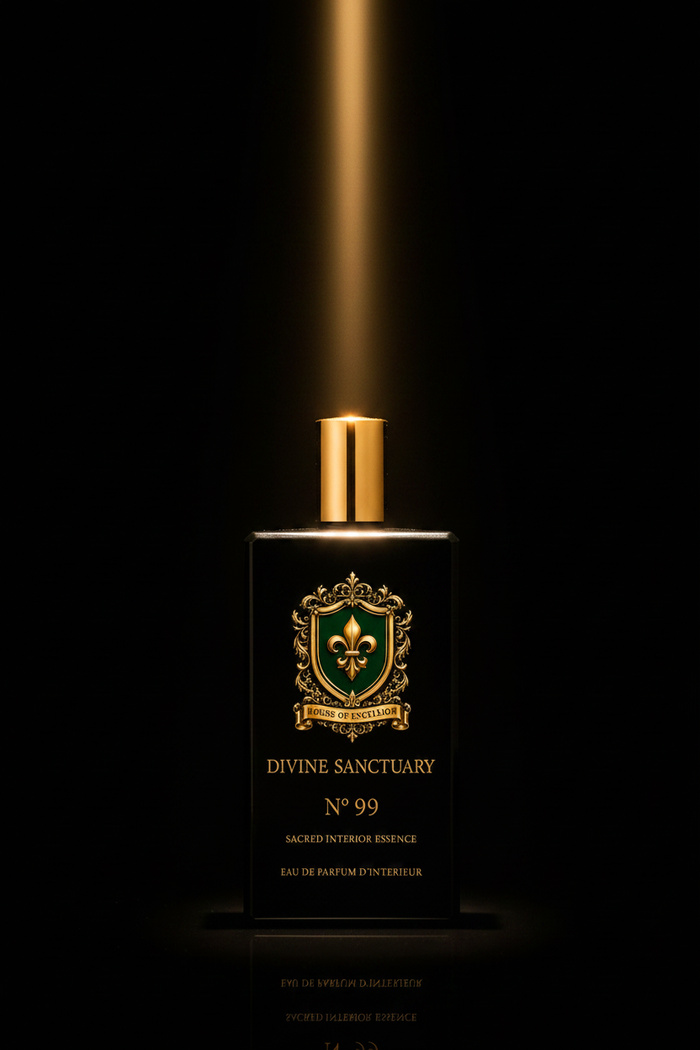
Luxury Sidr Room Spray with Frankincense, Myrrh, Spikenard, Damask Rose & Oud
$99.00
Ritual Is Not Routine
A routine is something we do.
A ritual is something we enter.
Brushing your hair can be a routine. Anointing yourself with intention, breathing slowly, and remembering what you are grateful for is a ritual.
The action can be almost the same. What changes is presence.
Ritual turns an ordinary moment into a sacred one. It asks us to slow down long enough to actually be where we are. This is the quiet secret of every tradition of stillness: the sacred is not found by escaping the ordinary, but by entering it with reverence.
Scent: The Oldest Doorway to Stillness
Of all our senses, scent is perhaps the most intimate, and the most ancient path to the sacred.
There is a reason a single fragrance can carry us back to a person, a place, a season of our lives, in an instant. Scent travels from the nose to the parts of the brain most closely tied to emotion and memory, more directly than any other sense. It does not pass through reason first. It simply arrives, and the heart remembers.

The ancients understood this long before science could explain it. In the Temple of Jerusalem, a sacred incense of frankincense, galbanum and fragrant spices rose each morning and evening (Exodus 30:34), and the Psalmist prayed, "Let my prayer be set forth before thee as incense" (Psalm 141:2). In the Islamic tradition, the Prophet Muhammad ﷺ encouraged the faithful to bathe and wear perfume before the Friday prayer, and to this day attar is touched to the wrists before worship, while fragrant bakhoor is passed through Arabian homes to welcome guests and bless the space. In Japan, the refined art of kōdō speaks not of smelling incense, but of listening to it.
When we bring scent into ritual, we give ourselves an anchor. Over time, the fragrance itself becomes a doorway. You breathe it in, and your whole being remembers: this is the moment to be still.
How to Find Stillness Within: Five Sacred Doorways
Stillness in a restless world does not require a retreat in the mountains. It begins with something small, repeated with intention, until it becomes a devotion.

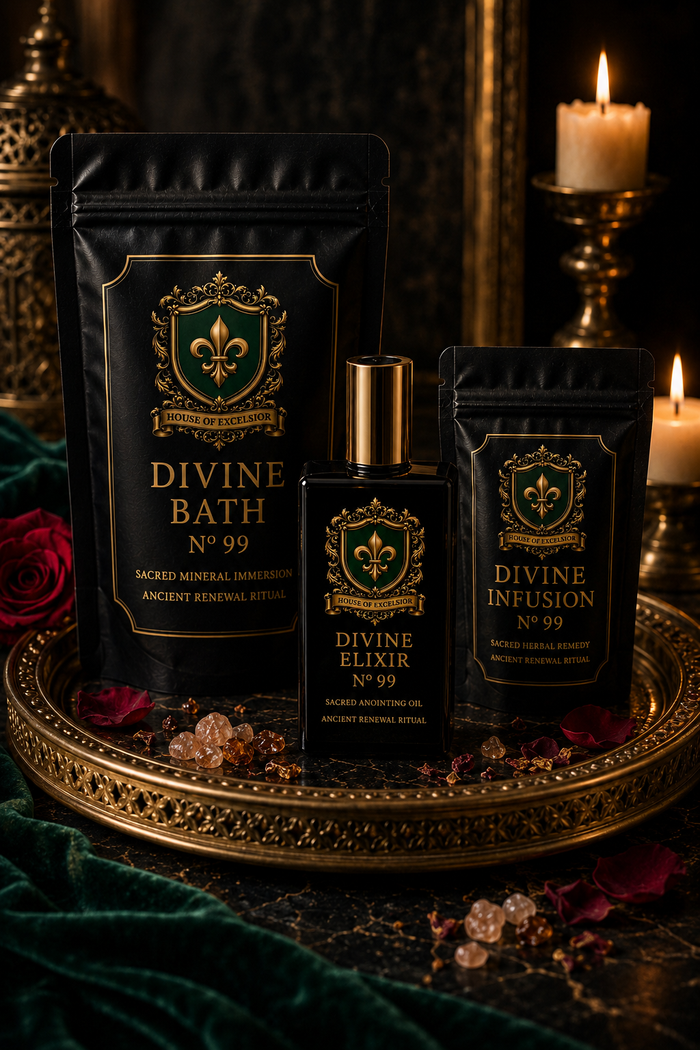
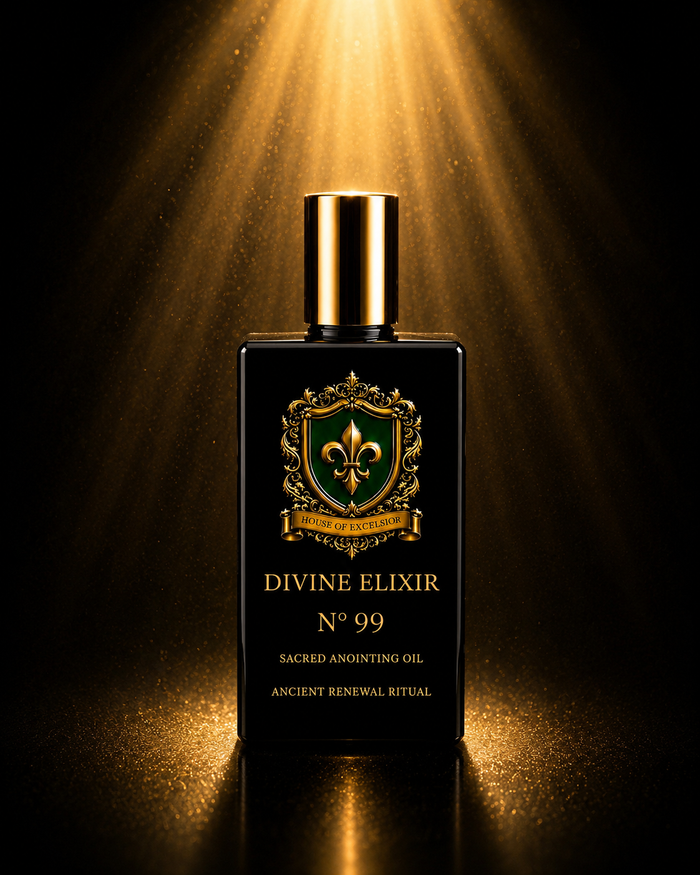
The first breath of the morning. Before the phone, before the world. A moment of gratitude. A few drops of Divine Elixir N° 99, our Sidr anointing oil, warmed between the palms and inhaled slowly, as anointing oils have been for thousands of years.
The threshold of the home. One to three mists of Divine Sanctuary N° 99, our frankincense and myrrh room spray with Sidr, to mark the moment you leave the outside world at the door, in the spirit of the incense that once blessed every sacred space.
The pause in the middle of the day. Divine Attar N° 99, our Sidr and oud attar, touched to the pulse points. A scent that asks you to stop, breathe and return, the way attar has been worn before prayer for centuries.
The cup at the end of the day. A slow Divine Infusion N° 99, prepared without hurry. Water, herbs, time. A small daily Sabbath in a single cup.
The immersion. When the week has asked too much, Divine Bath N° 99: ancient mineral salts, whole Sidr leaves, sacred resins, and the simple permission to do nothing at all.
The Art of Return
The restless world will not slow down for us.
But we can choose, moment by moment, to step out of it.
Not to escape life, but to return to it more fully. More present. More grateful. More ourselves.
That is the heart of everything we create at House of Excelsior. Not more noise. Fewer, more meaningful moments.
Be still, and know. Stillness is not the absence of life. It is the presence of return.
A return to ritual. A return to stillness. A return to what is true.
Frequently Asked Questions
What does "Be still and know" mean?
"Be still, and know that I am God" comes from Psalm 46:10. It is an invitation to cease striving and rest in quiet trust, and it has become one of the most beloved verses of Scripture on stillness and inner peace.
What is the spiritual meaning of stillness?
Across sacred traditions, stillness is the inner quiet in which the soul returns to what is true. It is the hesychia of the desert monks, the rest of the heart found in remembrance in the Qur'an, and the "Be still, and know" of Psalm 46:10.
What does the Bible say about stillness?
The best known passage is Psalm 46:10: "Be still, and know that I am God." Scripture also honours stillness through the Sabbath rest and through Elijah, who heard God not in the wind, the earthquake or the fire, but in a still, small voice (1 Kings 19:12).
How can I find stillness within each day?
Begin with small rituals repeated with intention: a pause before the phone each morning, a scent that marks the threshold of your home, a slow cup at the end of the day, and a weekly immersion. Over time, these moments become doorways back to yourself.
Why does scent help with stillness and memory?
Scent travels more directly than any other sense to the parts of the brain most closely tied to emotion and memory. This is why fragrance has been part of prayer and ceremony for thousands of years, and why a scent used in ritual can become an anchor for stillness.
With sincerity and reverence,
Azra ZK
Founder, Divine Apothecary by House of Excelsior
Born in Ancient Wisdom. For the Elevated Soul.
Explore: Divine Sanctuary N° 99 · Divine Attar N° 99 · The Ultimate Ritual of Return
The Sacred Meaning of 40 Days · Sidr: The Lote Tree of Paradise · The Ritual of Return Guide
Divine Apothecary by House of Excelsior
The Art of Sacred Renewal Rituals™
ANIMA EXCELSA
© 2026 Excelsior 99. All rights reserved.
Shop the Ritual